Industrial Bearing Maintenance Best Practices: Lubrication, Alignment, and Reliability Strategies to Prevent Equipment Failure
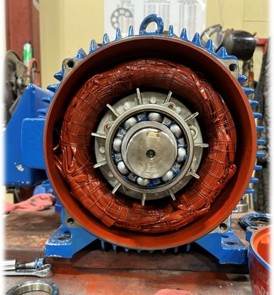
At Troy Industrial Solutions, bearings are a big deal—and for good reason. They play a critical role in keeping motors, pumps, conveyors, and other essential equipment running reliably. That’s why we invest in bearing training for our team and offer educational opportunities for maintenance professionals who want to better understand bearing basics and preventive care. Whether you’re new to bearings or simply looking for a refresher, this guide covers key maintenance best practices that can help improve reliability, extend equipment life, and reduce unexpected downtime.
Why Bearings Are Critical to Equipment Reliability
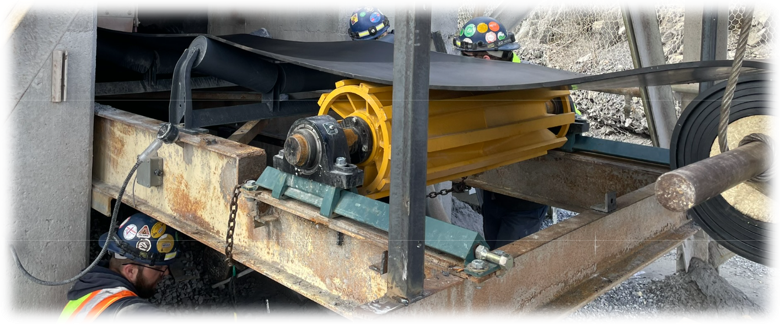
It’s 2:00 a.m., and a critical conveyor suddenly shuts down. Production stops, maintenance is called in, and every minute of downtime costs money. After hours of troubleshooting, the root cause turns out to be a failed bearing—a component that may cost less than a planned maintenance inspection. Situations like this happen every day, which is why understanding bearing basics remains one of the most important aspects of industrial reliability.
Every rotating shaft depends on bearings to operate properly. Bearings support loads, reduce friction, and enable motors, pumps, fans, conveyors, and other rotating equipment to operate efficiently. When bearings fail, equipment reliability declines, maintenance costs rise, and productivity suffers.
Common Causes of Bearing Failure
In many cases, a failed bearing is a symptom rather than the root cause. Shaft misalignment, contamination, excessive vibration, improper belt tension, and inadequate lubrication can all accelerate bearing wear and shorten equipment life. By the time unusual noise, heat, or vibration becomes noticeable, significant damage may have already occurred.
Misalignment is particularly damaging because it creates excessive loads that generate heat and increase wear on both bearings and connected equipment. Identifying and correcting these underlying conditions is essential for improving long-term reliability.

Choosing the Right Bearing for the Application
Selecting the correct bearing is critical to performance and longevity. A high-speed electric motor has vastly different requirements than a heavily loaded conveyor pulley or vibrating screen.
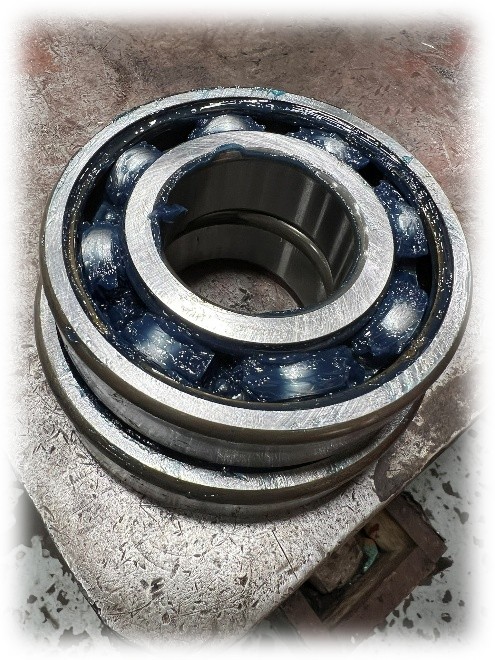
Ball bearings are commonly used in higher-speed applications, while tapered and spherical roller bearings are better suited for heavier loads and challenging operating environments. Matching the bearing design to operating speed, load requirements, and environmental conditions helps maximize uptime and reduce maintenance costs.
The Role of Bearing Seals and Contamination Control
Contamination remains one of the most common threats to bearing reliability. Dust, moisture, chemicals, and other contaminants can damage rolling elements and degrade lubricants, leading to premature failure.
Effective sealing systems help keep contaminants out while retaining lubricants inside the bearing cavity. Depending on the application, contact seals, clearance seals, or combination sealing systems may provide the optimal balance of protection and performance. A strong contamination-control strategy can significantly extend bearing life and improve equipment reliability.
Why Proper Bearing Lubrication Is Essential
Lubrication is one of the most important factors affecting bearing life. According to research from RKB Bearing Industries, approximately 80% of premature bearing failures can be traced to lubrication-related issues, including insufficient lubrication, contamination, aged grease, improper relubrication practices, and incorrect lubricant selection. Implementing a disciplined lubrication program is one of the most effective steps maintenance teams can take to improve reliability and extend equipment life.
At Troy Industrial Solutions, these issues are frequently identified during motor inspections, predictive maintenance surveys, vibration analysis projects, and root-cause investigations. What initially appears to be a bearing problem is often a correctable maintenance practice issue.
Mini Case Study: How Proper Lubrication and Alignment Prevented Recurring Bearing Failures
A manufacturing facility experienced recurring bearing failures on a critical conveyor approximately every six to eight months. While maintenance teams consistently replaced damaged bearings, the failures continued because the underlying causes had not been addressed.
A reliability assessment and vibration analysis identified shaft misalignment, excessive belt tension, and inconsistent lubrication practices as the primary contributors. Maintenance personnel were applying grease on a fixed schedule without considering operating conditions, resulting in both over-lubrication and contamination concerns.
The facility implemented precision shaft alignment, corrected belt tension, improved contamination control measures, and established a standardized lubrication program based on manufacturer recommendations and actual operating conditions. As a result, bearing temperatures decreased, vibration levels normalized, and recurring failures were eliminated. The project demonstrated the value of addressing root causes rather than simply replacing components.
Key Bearing Maintenance Takeaways
- Most premature bearing failures are preventable.
- Proper lubrication is critical to bearing life.
- Contamination is a leading cause of bearing damage.
- Predictive maintenance helps identify issues before failure occurs.
- Proper bearing selection improves reliability and reduces downtime.
How Troy Industrial Solutions Helps Improve Bearing Reliability
Bearing reliability is part of Troy Industrial Solutions’ broader commitment to keeping rotating equipment operating at peak performance. Our experienced technicians work with maintenance teams throughout the Northeast to solve challenges involving motors, pumps, gearboxes, fans, conveyors, and other critical assets.
Troy Reliability Services Include:
- Electric motor repair
- Pump repair
- Predictive maintenance
- Root cause failure analysis
- Field services
- Condition monitoring
- Rotating equipment reliability support
By combining technical expertise, advanced diagnostics, responsive field service, and a proactive maintenance approach, Troy helps customers identify and eliminate the causes of recurring equipment failures before they impact operations.
Bearing Maintenance FAQs: Common Questions About Lubrication, Alignment, and Reliability
How often should industrial bearings be lubricated?
Lubrication intervals vary based on bearing size, speed, temperature, load, environmental conditions, and lubricant type. Following manufacturer recommendations and implementing condition-based lubrication practices provide the best results.
What are the warning signs of a failing bearing?
Common indicators include increased vibration, unusual noise, elevated temperatures, lubricant leakage, increased energy consumption, and declining equipment performance. Early detection can help prevent unexpected failures and downtime.
Can shaft misalignment damage bearings?
Yes. Even minor angular or offset misalignment can increase loads, generate heat, create vibration, and accelerate bearing wear.
What causes excessive bearing temperatures?
Common causes include inadequate lubrication, over-lubrication, contamination, misalignment, excessive loads, and incorrect bearing selection. Identifying the root cause is critical to preventing repeat failures.
How does contamination affect bearing life?
Dust, dirt, moisture, chemicals, fibers, and other contaminants can damage bearing components and degrade lubricants. Effective sealing and proper maintenance practices are essential for maximizing bearing life.
When should a bearing be replaced instead of relubricated?
Bearings showing signs of significant wear, pitting, spalling, overheating damage, or excessive vibration should generally be replaced. Relubrication is most effective before physical damage occurs.
How can predictive maintenance help prevent bearing failures?
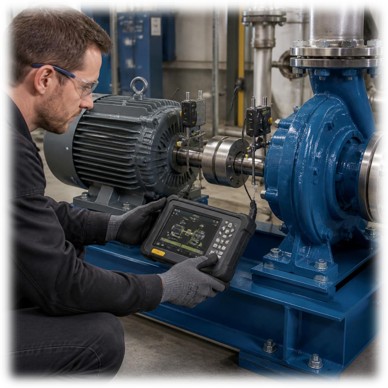
Technologies such as vibration analysis, infrared thermography, ultrasound testing, and condition monitoring can detect bearing issues long before failure occurs, allowing maintenance teams to schedule corrective action and avoid emergency repairs.
What industries benefit from proactive bearing maintenance?
Any operation that relies on rotating equipment can benefit from improved bearing reliability, including manufacturing plants, food processing facilities, paper mills, aggregate operations, wastewater treatment facilities, universities, power generation facilities, and industrial processing operations.
Ready to Reduce Bearing Failures and Improve Equipment Reliability?
Most bearing failures originate from underlying reliability issues that can be identified and corrected before costly downtime occurs. Our reliability specialists work closely with maintenance teams to improve equipment performance, extend asset life, and support proactive maintenance strategies.
Whether you’re dealing with recurring bearing failures, vibration issues, lubrication challenges, overheating equipment, or unexpected downtime, Troy Industrial Solutions can help uncover the root cause and develop a practical path toward greater reliability. Contact our team today to schedule a reliability assessment and learn how a proactive approach to lubrication, alignment, and condition monitoring can improve uptime and reduce maintenance costs. #WeKeepIndustryRunning