Emergency Equipment Repair Planning: How Manufacturing Facilities Can Prepare for Critical Failures
Even the best-run manufacturing facilities experience unexpected equipment failures. Preventive maintenance programs, predictive monitoring, and routine inspections significantly reduce the risk of breakdowns—but they cannot eliminate them entirely.
When critical equipment fails without warning, production can stop immediately. Orders slip, labor costs rise, and operations teams are forced into reactive decision-making. In continuous manufacturing environments—such as food processing, packaging, and material handling—even a few hours of downtime can create major operational disruptions.
That’s why every facility should develop a plant emergency maintenance plan. A structured response strategy helps maintenance teams diagnose problems quickly, initiate repairs fast, and reduce downtime after equipment failure—and it becomes even more effective when you’ve already aligned with a qualified outside partner for specialized support.
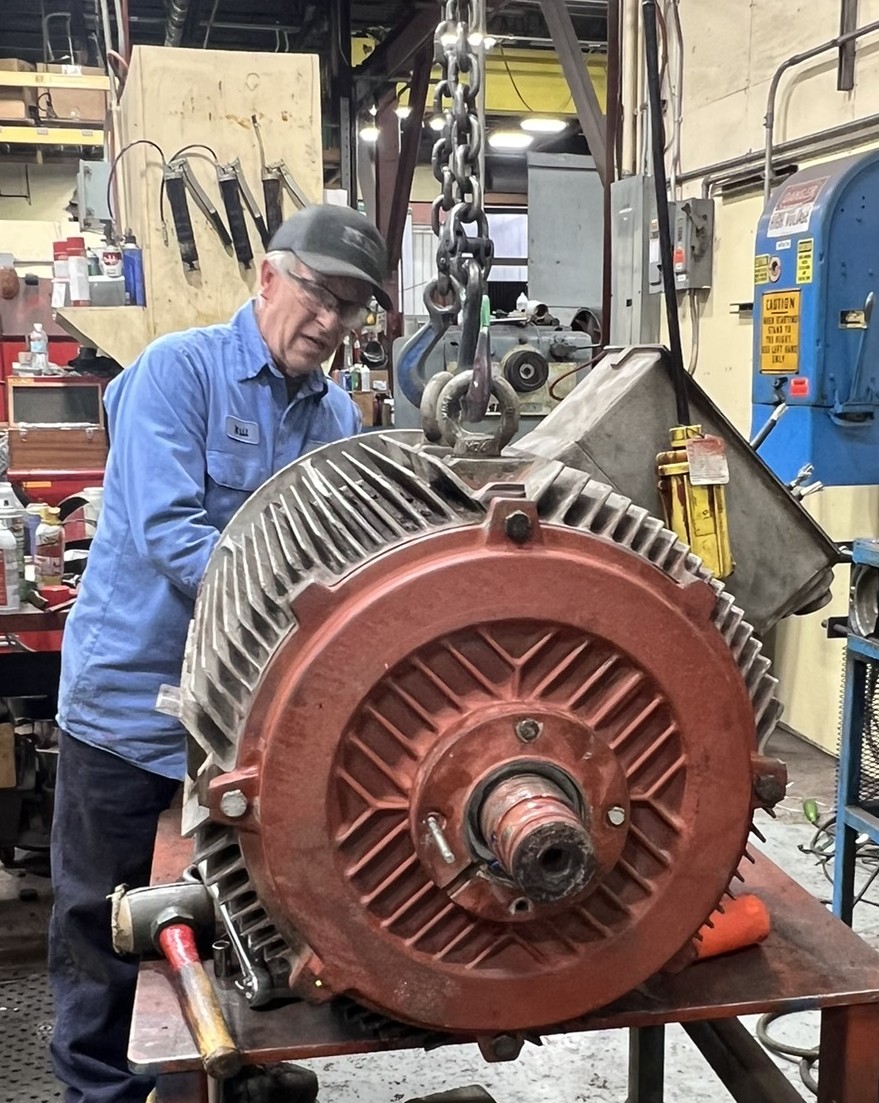
For facility managers and maintenance supervisors, preparing for emergency industrial equipment repair is one of the most important steps toward protecting production reliability and maintaining operational continuity. Troy Industrial Solutions supports manufacturers with rapid-response field service, motor repair and rebuilding, custom machining and fabrication, and conveyor system repair—helping teams shorten recovery time when breakdowns happen. Below are steps for emergency equipment repair planning and how manufacturing facilities can prepare for critical failures.
Why Emergency Equipment Repair Planning Matters
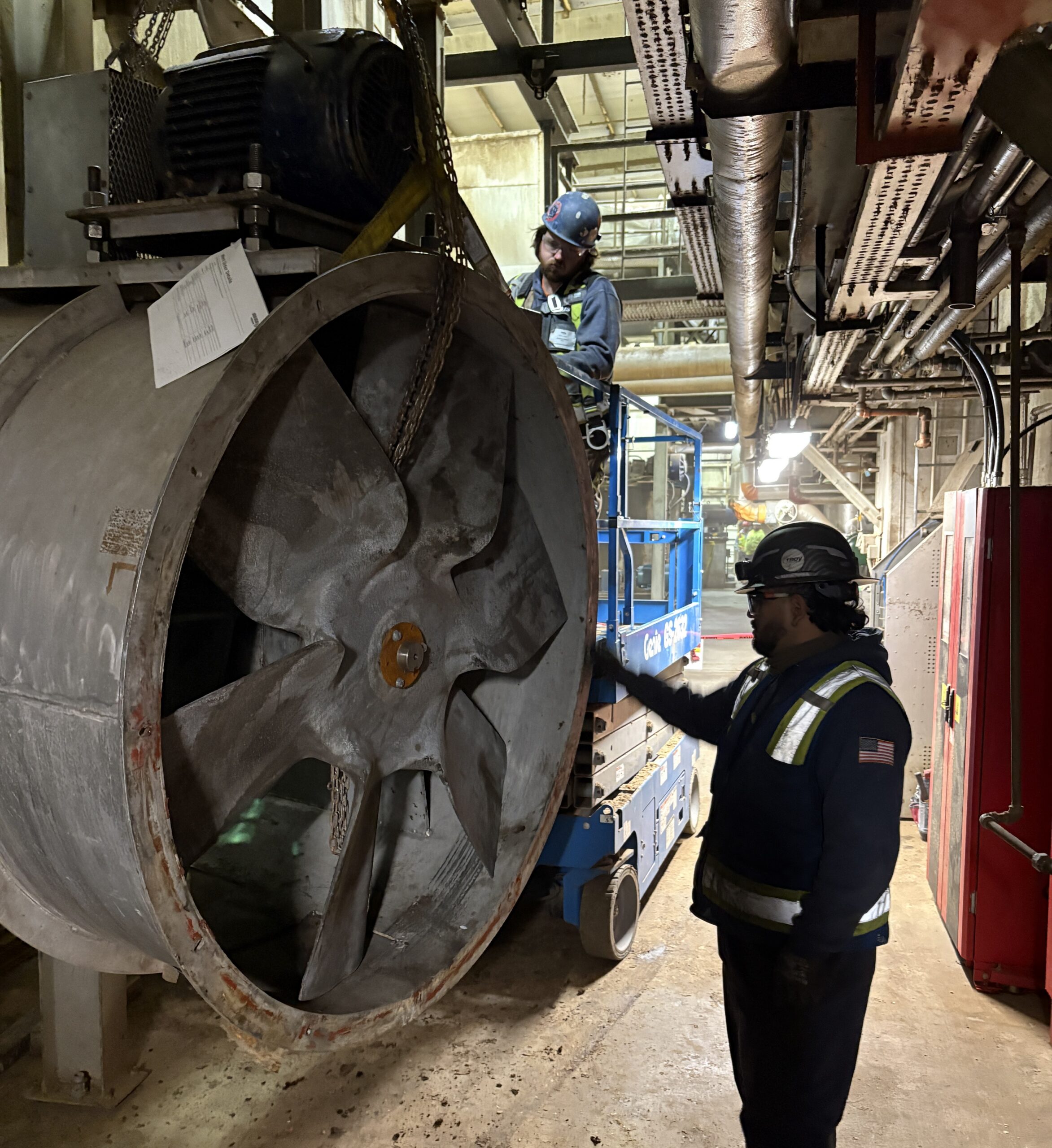 When equipment fails unexpectedly, the cost of downtime can escalate quickly. Without a defined manufacturing equipment failure response, maintenance teams often lose valuable time determining next steps.
Common issues that occur during unplanned breakdowns include:
- Delays diagnosing the failure
- Difficulty sourcing replacement parts
- Limited access to specialized technicians
- Unclear repair responsibilities
- Production losses while teams coordinate a response
Facilities that implement a structured industrial equipment breakdown response plan recover faster and significantly reduce operational disruption. Planning ahead ensures that when equipment fails, your team is responding—not scrambling.
Step 1: Identify Critical Equipment in Your Facility
Not all machines present the same level of risk. Some pieces of equipment are essential to production flow, while others may have redundancy or alternative workarounds. The first step in any plant emergency maintenance plan is identifying critical assets—equipment whose failure would cause an immediate shutdown or major production loss.
Typical critical assets include:
- Production line motors and drives
- Pumps and compressors
- Gearboxes and reducers
- Conveyance systems
- Packaging equipment
- Refrigeration and process control systems
By identifying high-risk assets, maintenance teams can prioritize emergency industrial equipment repair procedures for the systems that matter most.
Step 2: Establish a First-Response Breakdown Procedure
One of the most valuable additions to any emergency repair plan is a clear first-response process. The first 15–30 minutes after a failure often determine how long the downtime will last. Maintenance teams should follow a structured triage process:
Immediate Breakdown Response Checklist
- Ensure operator safety and secure the area
- Implement proper lockout/tagout procedures
- Determine whether the failure is mechanical, electrical, or controls-related
- Check for visible damage such as broken couplings, seized bearings, or burnt wiring
- Identify whether the repair can be handled internally or requires external support
- Notify production leadership and maintenance supervision
This initial triage allows maintenance teams to begin an effective manufacturing equipment failure response quickly and safely.
Step 3: Document Emergency Repair Procedures
When equipment fails, time is critical. Having documented repair procedures prevents delays and confusion.
An effective industrial equipment breakdown response plan should include:
- Troubleshooting guides for critical equipment
- Standard repair procedures
- Lockout/tagout safety protocols
- Equipment manuals and specifications
- Spare parts lists and supplier contacts
- Internal and external repair contacts
Documented procedures allow technicians to act immediately rather than spending valuable time searching for information.
Step 4: Maintain Strategic Spare Parts Inventory
 Waiting for replacement parts is one of the most common causes of extended downtime.
Maintenance leaders should evaluate spare parts availability for critical equipment and keep commonly used components onsite whenever possible.
Important spare parts may include:
- Electric motors
- Bearings
- Belts and couplings
- Seals and gaskets
- Sensors and control components
- Motor starters and drives
Maintaining a strategic spare parts inventory is a key factor in reducing downtime after equipment failure. However, storing every component onsite is not realistic. For specialized equipment or large components, access to an experienced repair partner becomes essential.
Step 5: Use Predictive Maintenance to Reduce Emergency Failures
While emergency repair planning is essential, many equipment failures can be prevented with predictive maintenance technologies.
Common predictive maintenance tools include:
- Vibration analysis
- Thermal imaging
- Oil analysis
- Motor current analysis
- Condition monitoring sensors
These tools help maintenance teams detect problems early—such as bearing wear, misalignment, or overheating—before they lead to major failures.Integrating predictive maintenance into your reliability program can significantly reduce the need for emergency industrial equipment repair.
Step 6: Establish Relationships with Emergency Repair Providers
Even highly capable maintenance teams occasionally encounter failures that require outside expertise.
Complex equipment repairs may involve:
- Precision machining
- Motor rewinding and rebuilding
- Custom fabrication
- Conveyor system repairs
- Specialized diagnostic equipment
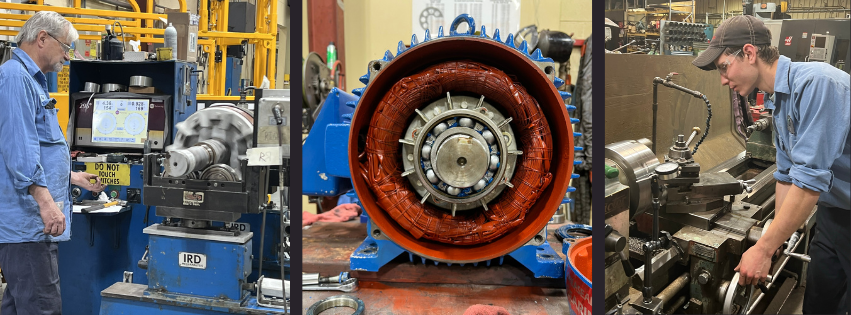
This is where working with an experienced industrial service provider becomes valuable. Troy Industrial Solutions provides comprehensive repair services designed to support facilities during critical breakdowns, including:
- Motor repair and rebuilding
- Field service diagnostics
- Custom machining and fabrication
- Conveyor system repair
- Equipment rebuilds and upgrades
Having an established service partner ensures rapid response when unexpected failures occur. Learn more about available services provided by Troy Industrial Solutions.
Step 7: Plan Temporary Workarounds to Maintain Production
In many cases, the immediate goal is not simply repairing equipment—it is keeping production running while repairs are made.
Maintenance teams should evaluate potential temporary solutions such as:
- Installing backup motors
- Running alternate production lines
- Using bypass conveyors
- Fabricating temporary brackets or guards
- Operating equipment at reduced capacity
Planning these options ahead of time helps minimize operational disruptions during major breakdowns.
Step 8: Perform Root Cause Analysis After Major Failures
Once repairs are complete, the work is not finished. Maintenance teams should always analyze the failure to prevent recurrence.
Root cause analysis helps answer key questions:
- Why did the equipment fail?
- Was preventive maintenance missed?
- Was the component undersized or misaligned?
- Were operating conditions outside design limits?
- Should the system be redesigned or upgraded?
By learning from failures, facilities improve long-term reliability and reduce future industrial equipment breakdown events.
Step 9: Review and Test Your Emergency Maintenance Plan
Emergency repair plans should not sit unused in a binder. They should be reviewed and updated regularly.
Facility managers should periodically confirm:
- Critical equipment lists remain accurate
- Spare parts inventories are sufficient
- Vendor contacts are current
- Repair procedures reflect updated equipment configurations
Testing and reviewing your plant emergency maintenance plan ensures your team is ready when unexpected failures occur.
Preparing Today Prevents Downtime Tomorrow
Unexpected equipment failures are inevitable in industrial environments—but extended downtime does not have to be. Facilities that prepare ahead of time with a structured industrial equipment breakdown response plan can diagnose problems faster, initiate repairs sooner, and restore production more efficiently. Developing an emergency repair strategy before a failure occurs can significantly reduce downtime and protect operational performance. Working with an experienced industrial service partner like Troy Industrial Solutions can help your facility establish a rapid-response support plan, ensuring expert assistance is available when it matters most.
Frequently Asked Questions (FAQ) About Emergency Equipment Repair
What is an emergency equipment repair plan for manufacturing facilities?
An emergency equipment repair plan is a documented process that outlines how a facility will respond when critical machinery fails. It typically includes procedures for identifying failures, contacting repair providers, accessing spare parts, and restoring production as quickly as possible.
What causes most industrial equipment failures?
Common causes of manufacturing equipment failures include:
- Bearing failure
- Misalignment or vibration
- Lack of lubrication
- Electrical faults
- Overheating
- Component fatigue or wear
Predictive maintenance and regular inspections can help detect many of these problems before they result in emergency repairs.
How can manufacturing facilities reduce downtime after equipment failure?
Facilities can reduce downtime by:
- Maintaining critical spare parts inventory
- Creating a documented breakdown response plan
- Training technicians on emergency repair procedures
- Establishing relationships with industrial service providers
- Using predictive maintenance tools to detect failures early
When should a facility call an outside repair service?
External repair providers are typically needed when failures involve specialized work such as:
- Motor rewinding and rebuilding
- Precision machining
- Custom fabrication
- Conveyor system repair
- Large equipment rebuilds
Troy Industrial Solutions provide these services and can help facilities respond quickly to critical breakdowns. Click here to download Emergency Equipment Repair Maintenance Checklist.
Need Help Preparing for Equipment Emergencies?
If your facility is looking to strengthen its emergency equipment repair strategy, the experts at Troy Industrial Solutions provide industrial repair, field service, and custom fabrication solutions designed to minimize downtime and keep production running.
For more information about maintaining reliable equipment in manufacturing environments, visit Troy Industrial Solutions and learn how our team can support your facility’s maintenance and reliability goals.